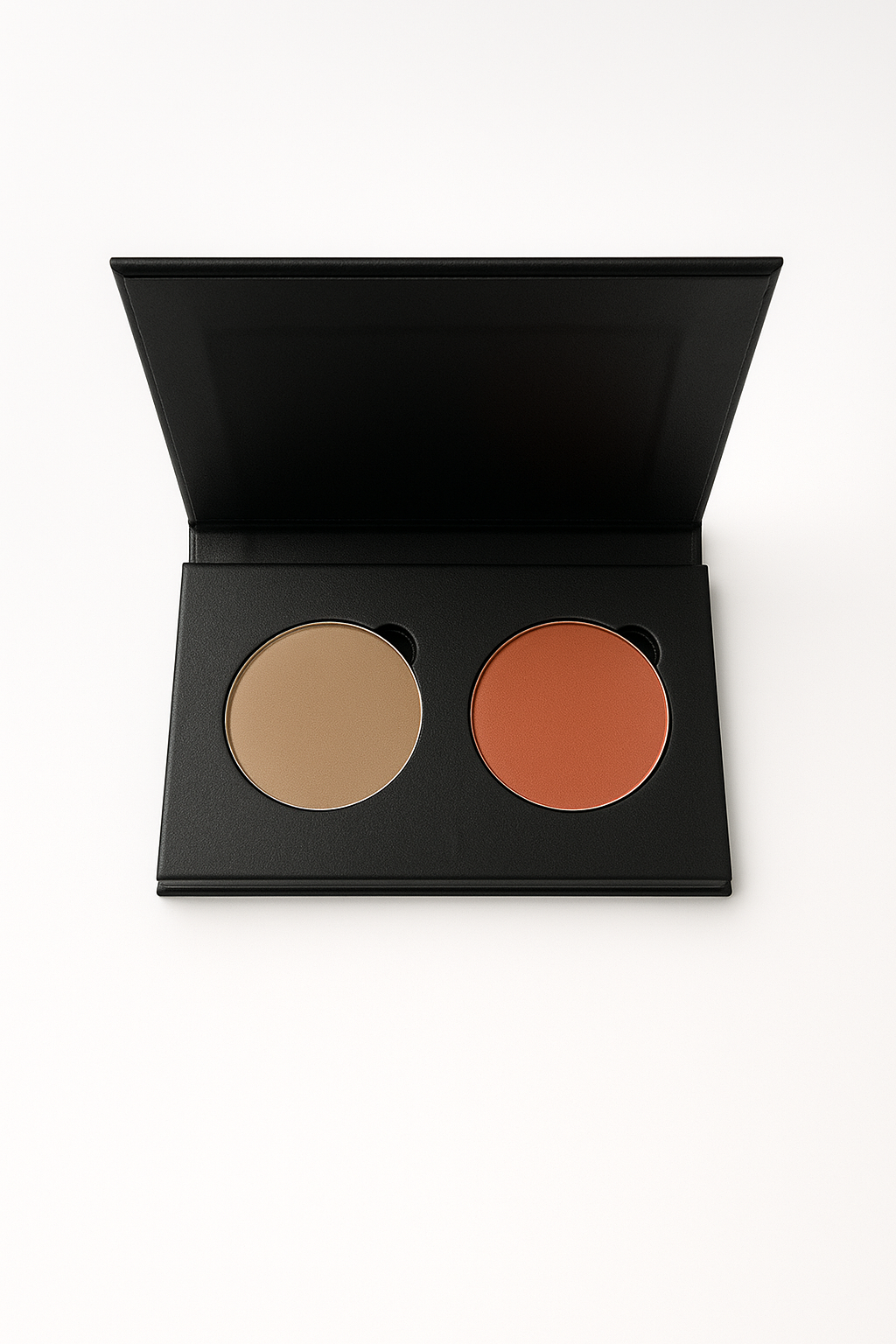
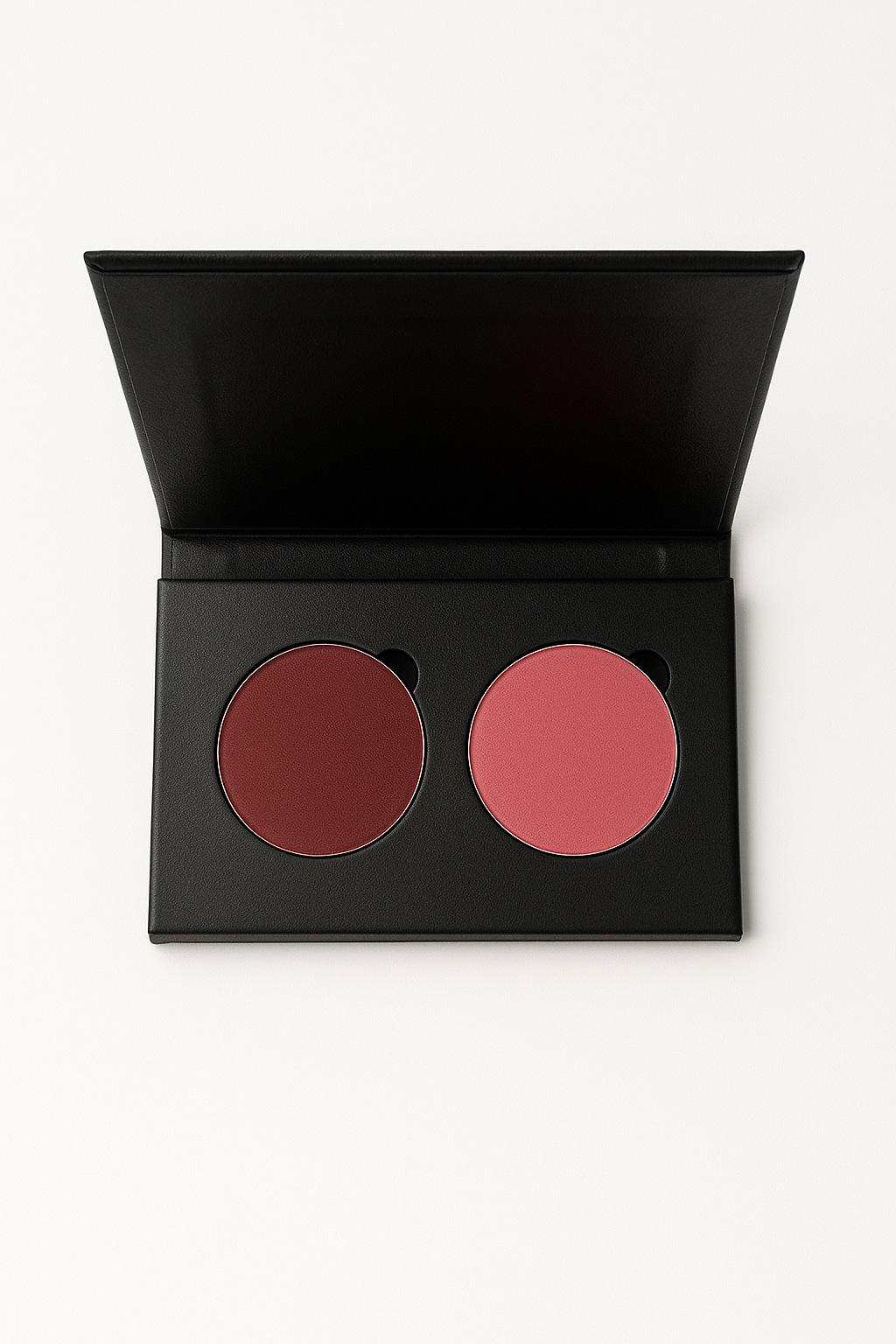
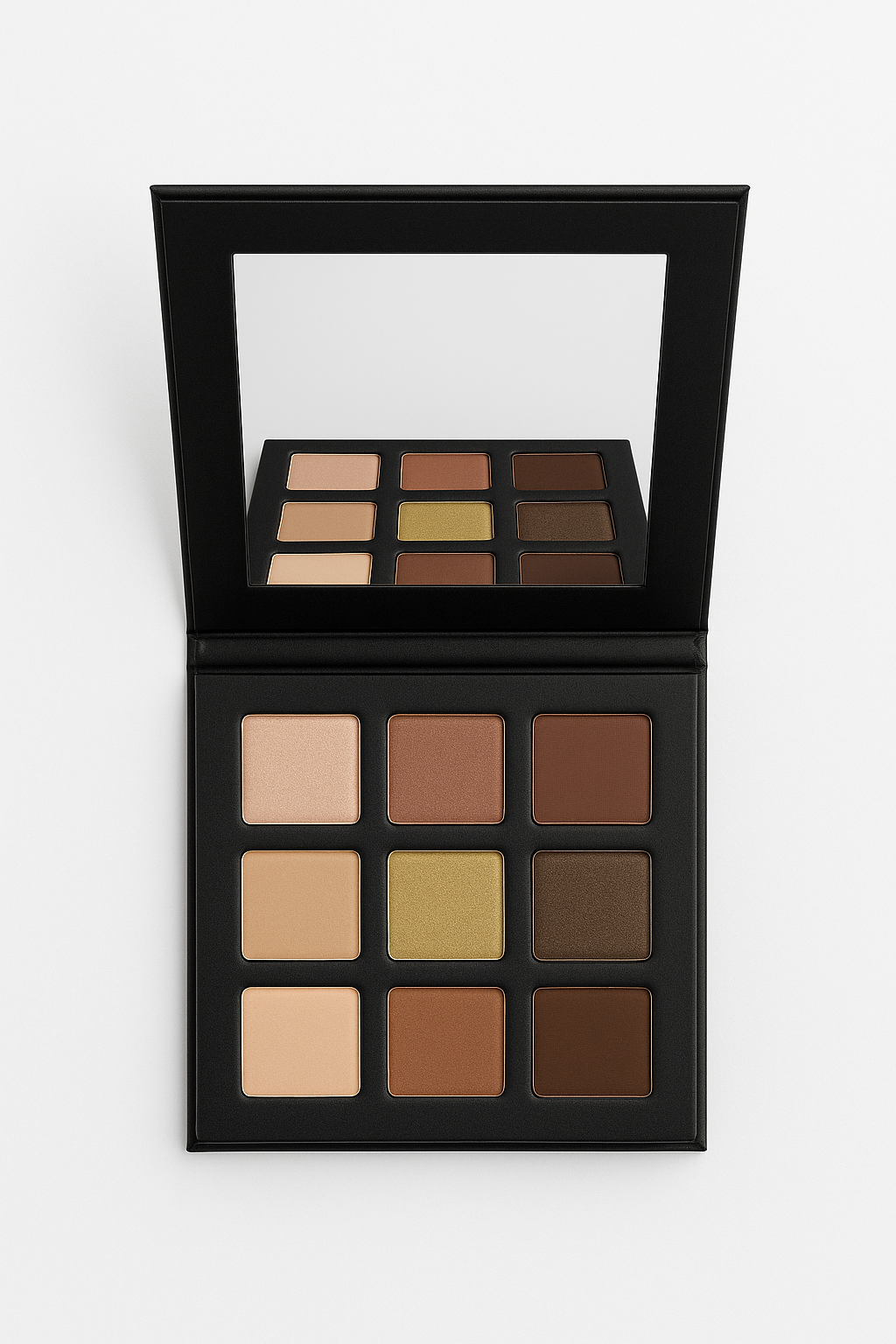


In the evolving landscape of beauty, one name is shining through as a bold example of purpose-led cosmetics: B:UNDENIABLE. This inclusive brand seeks to do more than deliver makeup—it aims to inspire confidence, authenticity, and ethical beauty habits.
What sets B:UNDENIABLE apart?
-
It offers vegan-friendly, cruelty-free formulations, free from parabens and artificial fragrance.
-
The brand crafts glowing, pigmented products—highlighters, liquid bronzers, eyeshadows, lip lacquers—to suit a wide variety of skin tones.
-
Sustainability is part of its ethos: packaging is recyclable, and the brand leans into clean beauty values.
-
Each product carries an embedded affirmation—a subtle nod to self-worth and intention in daily ritual.
-
Its name is itself a message: B:U (Be You) = B:UNDENIABLE—a reminder that your unique identity is powerful.
B:UNDENIABLE is part of a broader wave in the beauty world: the rise of clean, vegan, cruelty-free makeup.

Why Clean, Vegan & Cruelty-Free Beauty Is the Future
The shift toward ethical beauty isn't a niche anymore—it’s becoming mainstream. Here’s why:
1. Consumer Values Are Changing
More people now consider the ethical footprint of their purchases. As awareness grows about animal welfare, ingredient safety, and environmental effects, consumers expect more transparency from beauty brands. Clean beauty claims and cruelty-free certifications are no longer optional extras—they’re baseline expectations.
2. Market Growth Validates the Trend
The numbers back this shift:
-
The global vegan cosmetics market was valued at USD 19.21 billion in 2024 and is projected to grow to USD 20.48 billion in 2025, with a longer-term forecast reaching USD 32.56 billion by 2032.
-
Demand for cruelty-free makeup is rising steadily, buoyed by clean beauty and wellness trends.
-
In the UK and globally, an increasing share of new product launches include “refillable,” “ clean,” or “eco-friendly” claims. Mintel
These figures reflect not just growing interest, but real behaviour shifts: people buying with purpose.
3. Ingredient Safety and Health Concerns
Clean beauty emphasizes formulations that eliminate potentially harmful ingredients—like parabens, sulfates, phthalates, and endocrine-disrupting chemicals—and instead lean toward simpler, more natural, plant-derived components. This is appealing to consumers who see their skin as porous, absorbing much of what they apply.
4. Innovation & Differentiation
Brands are innovating in several directions to stand out:
-
Reformulating with botanical actives (e.g. aloe, hemp, botanical oils).
-
Embedding purpose and storytelling (affirmations, intention, community). B:UNDENIABLE’s own approach to affirmations within products is a strong example.
-
Adopting sustainable packaging: recyclable materials, refill options, minimal plastic.
-
Transparent supply chains, certifications (e.g. PETA, Leaping Bunny), and third-party auditing.
These differentiators push clean beauty from “nice to have” into strategic advantage.
B:UNDENIABLE in the Context of the Movement
B:UNDENIABLE exemplifies many of the positive directions in clean beauty:
-
Ethical formulations: being vegan, cruelty-free, and free from parasites like parabens and fragrance.
-
Inclusivity: focusing on melanated skin tones and pigment matching.
-
Purpose in product: embedding affirmations and energy (e.g. quartz infusions) to elevate routine into ritual.
-
Sustainable packaging and practices: emphasizing recyclable materials and mindful sourcing.
But it also illustrates the challenges many brands face in this space:
-
Balancing performance vs. “clean” constraints (some clean alternatives don’t always match the same texture or longevity).
-
Communicating clearly and credibly to avoid “greenwashing” (i.e. making claims that overpromise).
-
Managing costs of ethical ingredients, certifications, and sustainable packaging at scale.
Yet B:UNDENIABLE shows that you can build brand identity around both beauty and ethics without compromising either.
How Consumers Can Navigate the Clean Beauty Landscape
If someone wants to make more conscious beauty choices (and support brands like B:UNDENIABLE), here are tips:
-
Learn the labels
Understand the difference between cruelty-free (no animal testing) and vegan (no animal-derived ingredients).
Look for reliable certifications (e.g. Leaping Bunny, PETA, Vegan Society). -
Read ingredient lists critically
Watch for hidden animal-derived ingredients like carmine, beeswax, lanolin, squalene from shark, gelatin, etc. -
Inspect packaging & brand transparency
Prefer brands using recyclable materials, refill systems, and full disclosure of supply chains.
Watch out for vague claims like “clean” or “natural” without detail. -
Start small, swap strategically
You don’t need to overhaul your entire kit in one go. Try switching one staple (e.g. foundation, lipstick) to a trusted clean alternative. -
Engage with brand purpose
Support brands that embed ethos, community, and accountability. Your dollars help reinforce the shift.
Conclusion
The rise of clean, vegan, cruelty-free makeup is more than a trend—it reflects a deeper shift in how people see beauty, ethics, and self-expression. Brands like B:UNDENIABLE are uniquely positioned to ride (and steer) this wave, by marrying performance with intention, inclusivity, and sustainability.
As consumers grow ever more discerning about what they put on their skin—and the footprints those choices leave—there’s a significant opportunity for clean beauty brands to lead with integrity, innovation, and heart.